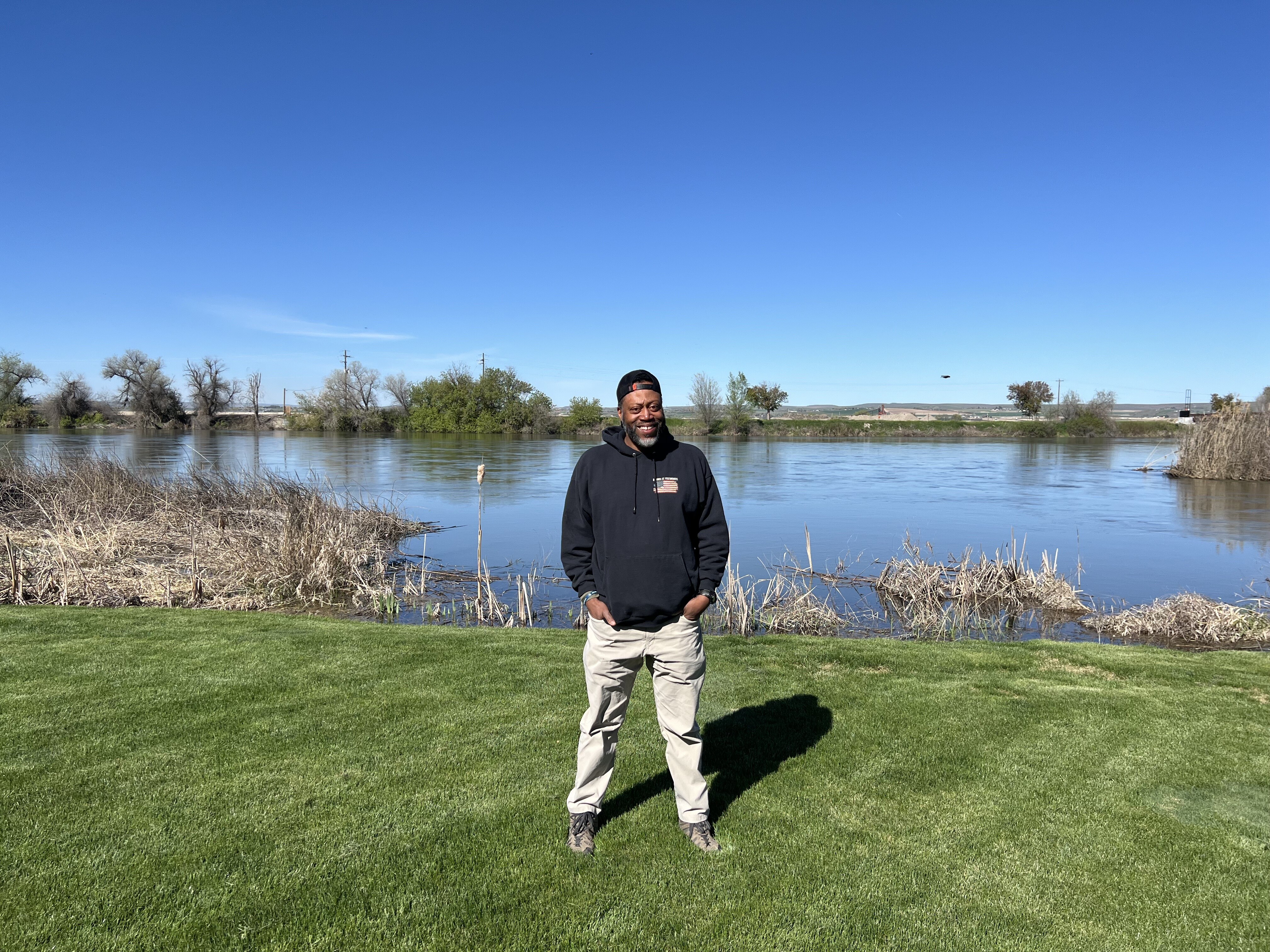
A Soldier's Trek to Mental Wellness
When Tony J. Liles left active duty after 24 years of service, eleven permanent changes of station, four combat tours, and three overseas operation assignments, the transition to civilian life wasn’t as seamless as he had envisioned. Instead of reintegrating seamlessly into non-military society, everything—from the job search to finding a school that met his children’s needs—was a difficult slog. “I felt like the country had turned its back on me,” the career soldier reflected.
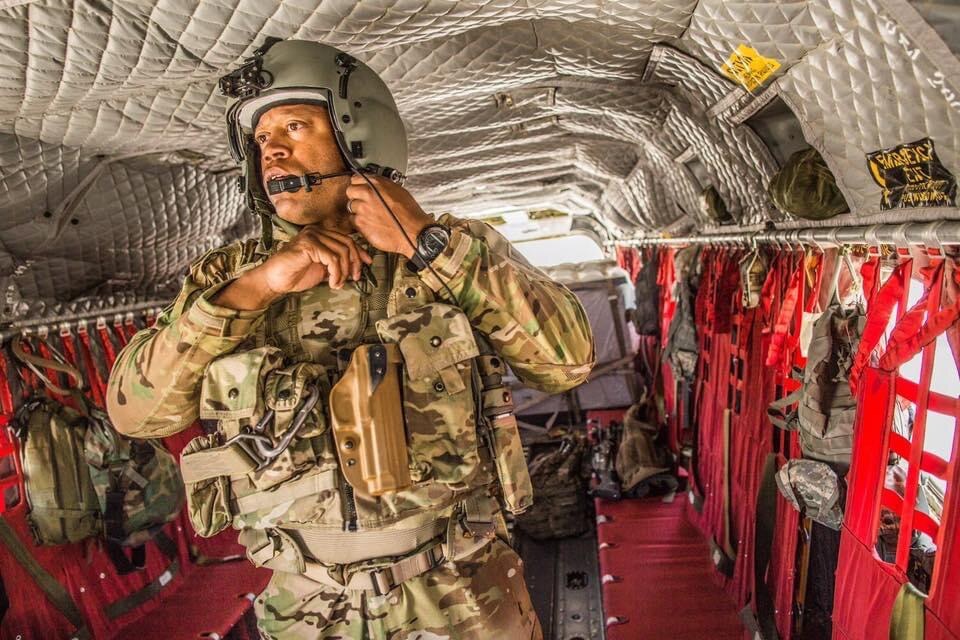
Despite submitting nearly 50 applications during his post-military job search, Liles only received one interview—a troubling and frustrating reality for the dedicated husband and father of three. “I thought I had done all the right things to be employable such as earning my bachelor’s degree, gaining certifications in Lean Six Sigma and Information Technology,” Liles shared. For someone who had spent his entire adulthood in service to his country, it was a surprising introduction into civilian life.
At age 18, Liles enlisted in the U.S. Army after a short stint in college. “I felt out of place. Most of my classmates came from affluent families while I was the son of a crack-cocaine addict who was murdered when I was 16,” he said. In the structure and camaraderie of the Army, Liles found a way to escape poverty and his past. He also found Brittany, a woman with whom he shared a passion for serving others. They married and began raising a family together as Liles continued to progress in his military career.
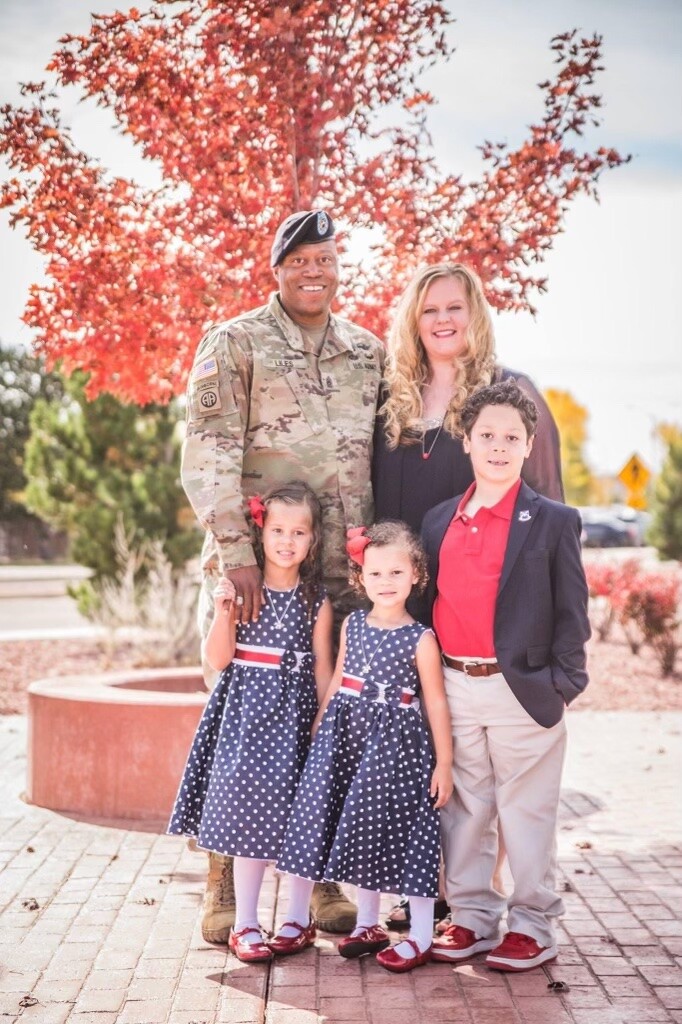
When Liles’ children were five, three, and one, he deployed to Afghanistan. It was not his first combat tour, but this separation was the most emotionally devastating. Liles asked that his young family not attend the send-off as he did not want the soldiers under his command to see him so upset to leave.“That was the excuse I used, but now I know that post traumatic stress disorder (PTSD) was guiding me to make such a decision,” Liles said. “Avoidance is a coping mechanism that is commonly used by those living with PTSD.”
Compounding Liles’ trauma from combat and deployments were the effects of stress that military life imposed on his family. After transitioning out of the Army, Liles and members of his family sought professional mental help. Liles enrolled in PTSD treatment from his home in Meridian, Idaho, and completed a 10-week program on interpersonal regulation. He is currently in intensive outpatient treatment and is working on a 12-week cognitive processing therapy (CPT) program.
Liles’ family prioritizes and destigmatizes mental health and healing in their home. “My children are now at the age in which they ask questions about my time in Afghanistan and Iraq,” he says. “I openly share that it’s hard for me to talk about those events, and they are fully aware that I live with PTSD.”
Finding coping mechanisms that work has also been paramount to Liles’ ongoing recovery. He uses a variety of strategies in his mental wellness “toolbox,” including:
- Nature
- Mindfulness
- Open communication with a loved one
- Physical activity
- Quality family time, including volunteering at school
- Volunteering
For Liles, continuing to be part of his local veteran community brings comfort and wholeness. "I believed I was alone in my struggles simply because I was in Idaho—I didn't think anyone would understand. This misconception nearly cost me my family and my life."
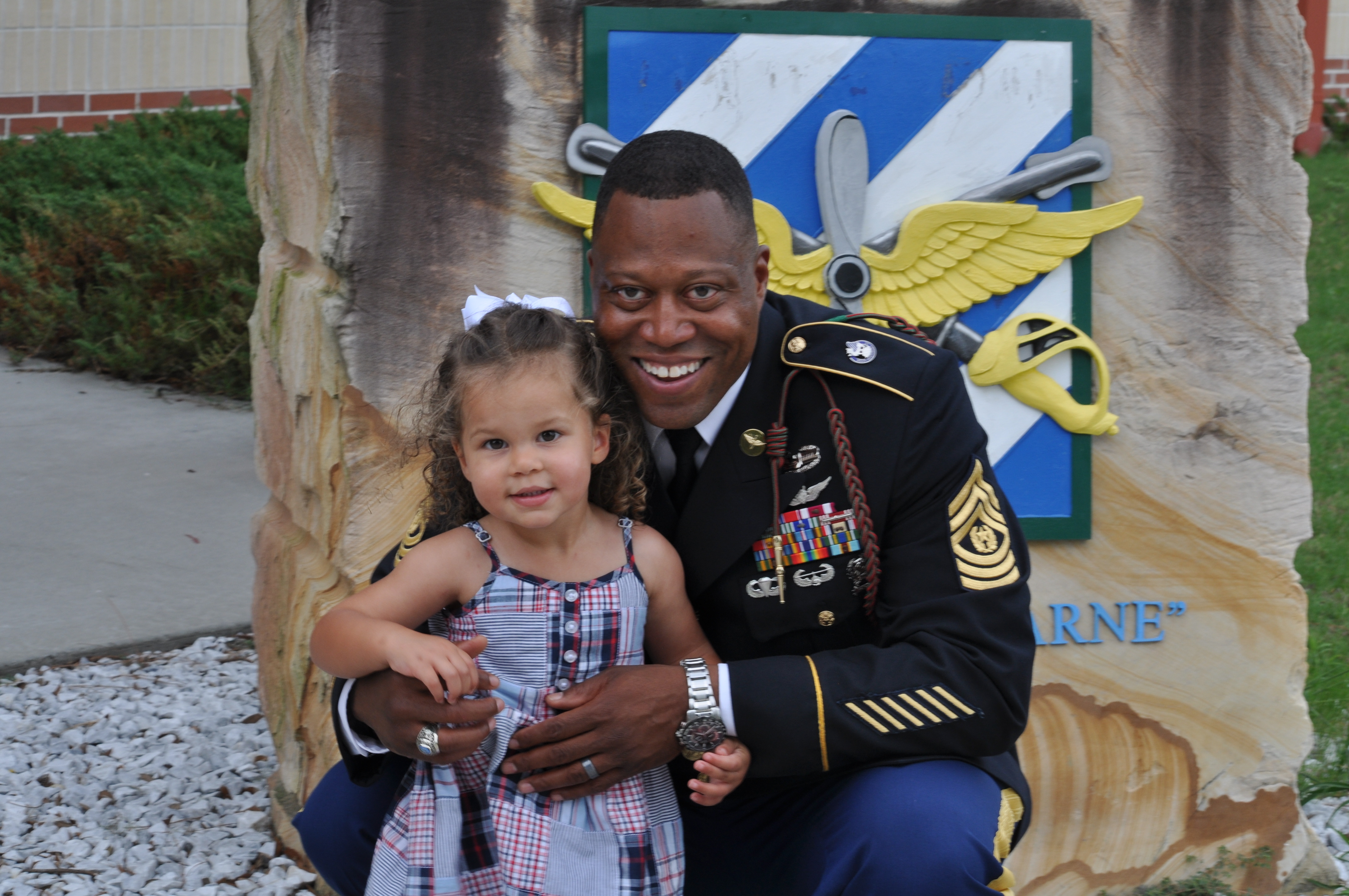
Having so many similar experiences—combat tours, military moves, family separations—as other veterans, Liles has a message for his fellow former service members living in the Treasure Valley. “I cannot stress this enough,” he said. “You are not alone.”
Tony understands that many Idaho veterans, including himself, need mental health care programs. However, securing and prioritizing the resources required for their needs can be a significant challenge.
"Fortunately, local support services are available, but long waitlists make them hard to access," Tony notes. "In contrast, The Headstrong Project offers immediate care, ensuring Idaho veterans seeking help never feel helpless or alone."
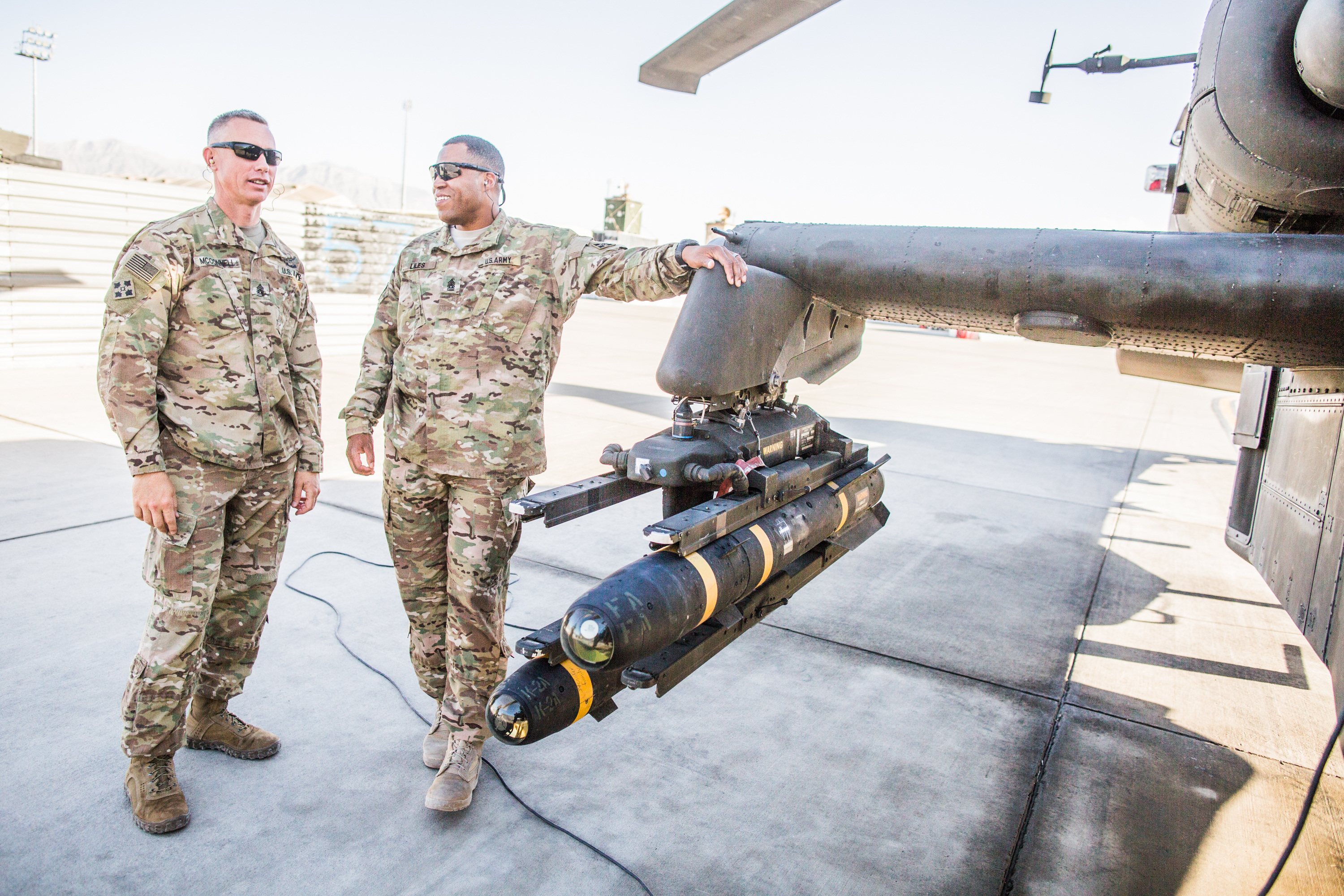
Idaho veterans dealing with the effects of trauma and PTSD, which may present with symptoms such as anxiety, feelings of grief and loss, depression, anger, addiction, and sleep disorders, can find support through telehealth or in-person care.
Headstrong offers 30 free, comprehensive, trauma-focused treatment sessions to qualified individuals. The trusted nonprofit uses collaborative and evidence-based therapies to improve veterans' lives across the country, especially in regions like Idaho, where access to mental health services can be hard to find.
Tony encourages his fellow veterans to take the first step toward confidential care by reaching out online today.